
This newsletter is free and goes out to over 24,000 subscribers, but it’s only able to sustain itself due to the support I receive from a small percentage of regular readers. Would you please consider becoming one of those supporters? You can subscribe via Patreon or the Subscribe button below! You can also make one-time donations through Venmo or PayPal.
If you were into Christian music about three decades ago, you wouldn’t have been able to escape Avalon. The band, co-founded by Michael Passons, earned multiple gold records, Grammy nominations, and a long string of #1 hits on the Christian charts.
Their most famous song was “Testify to Love,” which includes lines like “With every breath I take, I will give thanks to God above. For as long as I shall live, I will testify to love.” A reader who grew up in evangelical culture told me, “you could summon this whole generation with this one song.”
But as anyone who’s ever had to deal with white evangelicals can tell you, love is always conditional in that environment.
In 2003, around the height of their fame in the Christian world, Passons announced he was leaving the band to pursue a solo career… which made some sense. The band continued with different members. Yet Passons never released any kind of solo album.
In 2020, we learned why. He didn’t actually leave the band of his own volition at all. He was kicked out of it for being gay.
“Avalon showed up at my house and told me I was no longer in the group,” he said. “And it was all because of who I am.”
“They came alone, but they had been speaking with management and record label before they visited my home,” Passons continued, adding that he was “blindsided” by the decision.
They attempted to salvage their working relationship by having Passons attend “conversion therapy” sessions, and he went along with it for about a month. But he knew he wasn’t going to magically turn straight and said as much. So the band moved on without him.
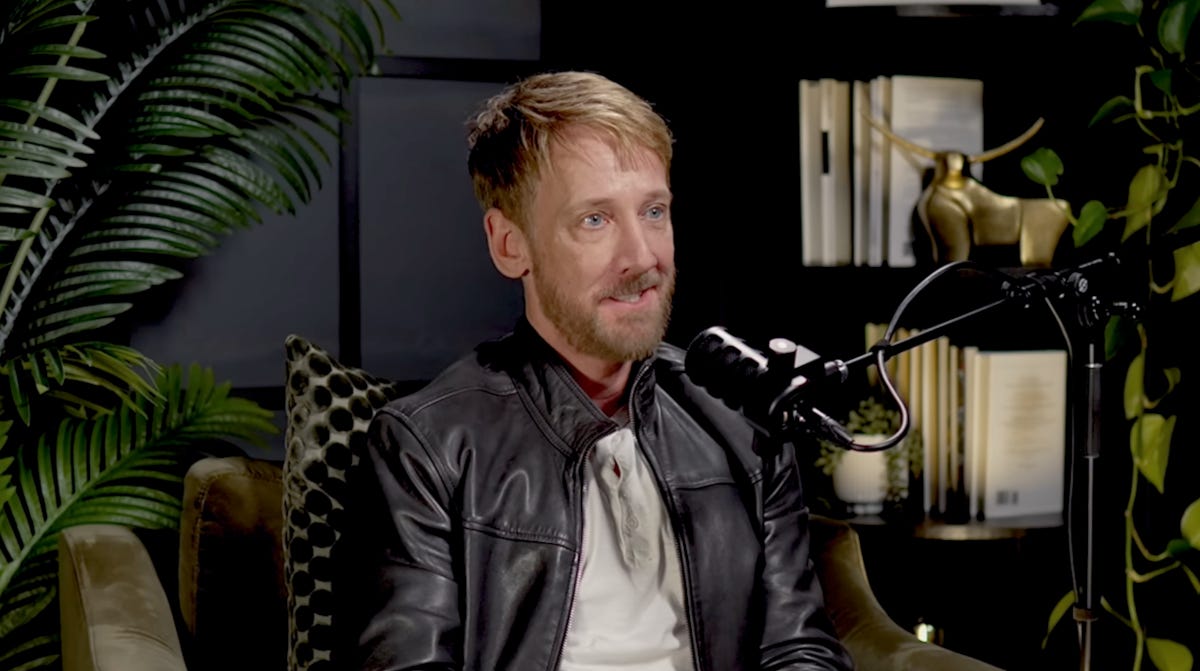
When Passons finally went public with all of this, 17 years after his ousting, he had finally come to terms with his sexual orientation and knew it was nothing to be ashamed about. But that was the culmination of a long journey. In fact, he only came out to his family earlier that year (in 2020).
"I'm a gay man and I'm glad to be," he told [Jonah and the Whale podcast host Josh] Skinner. "At the time I was conflicted because I was involved in a culture where that was not accepted. I knew if I were honest, I would lose my career, I would lose many things — and I did end up losing all those things I feared I would."
…
"I'm not ashamed of who I am. I'm not ashamed of my journey," he said. "I just wish I had become the person that I am now sooner."
The reason this story matters now is because Passons, former Avalon member Melissa Greene (whose tenure briefly overlapped with Passons’), and Country Music singer Ty Herndon have just re-released “Testify to Love” with an official music video on the way. This time, however, they say they’re taking the whole “love” thing seriously, instead of defining it in the Christian-y judgmental way like in the past.
This 2026 reimagining aims to honor the song’s core message while fostering a spirit of inclusion. Herndon noted that the new version reunites Passons with another former member of Avalon, Melissa Greene, to offer a performance that highlights faith and authenticity. “This song has always been about the power of love,” Herndon remarked, adding that the collaboration seeks to demonstrate how identity and faith can exist in harmony.
…
For Passons, who famously shared his story of being ousted from Avalon due to his LGBTQ identity, this recording is more than just a cover; it is a restoration. “For years, I sang these words while hiding who I truly was,” said Passons. “To record this now with Ty, Melissa, and this incredible group of artists—standing fully in my truth—is a full-circle moment I once thought impossible. It serves as a testimony that love does not exclude.”
In a sense, they’re giving fans of the original song a reason to love it again because many of them only knew it in the context of evangelical Christianity, with all the faults that go with it.
In a post on her website, Greene, who recently officiated Passons’ wedding to his same-sex partner, added that this recording had personal meaning for her because the song is “finally telling the truth.”
… We sang it night after night to arenas of people. And then Michael was kicked out of the group for being gay.
The song kept going. He didn’t.
I was a Christian then who believed what I’d been taught, that some love was acceptable and some wasn’t. I was on the wrong side of what happened to him. That’s the truth, and I’m not going to dress it up.
… now, we are singing this song again by our own choice, with even deeper conviction this time around.
What’s really incredible about this is reading the comments and discussions about this on YouTube and Facebook and Reddit threads. There are a hell of a lot of exvangelicals who listened to and loved this song when they were younger, only to deconstruct in the years since. Hearing this re-recording, for them, is like reclaiming a part of their past they thought they had lost.
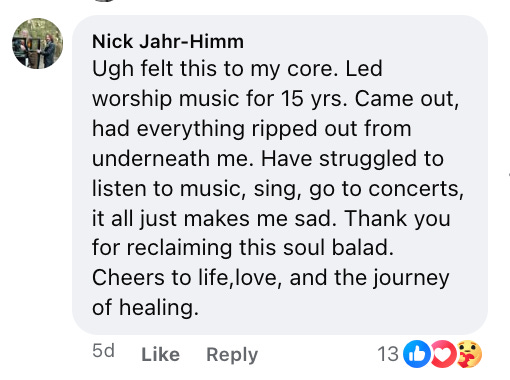
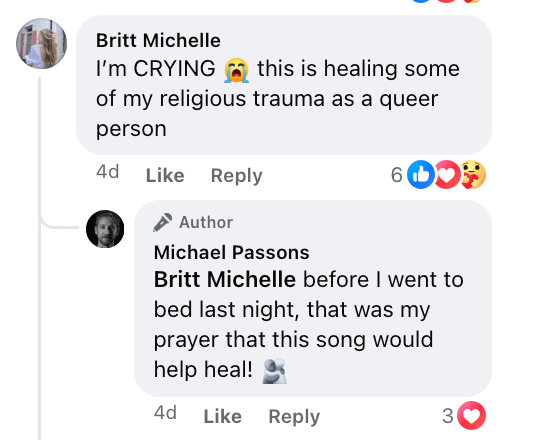
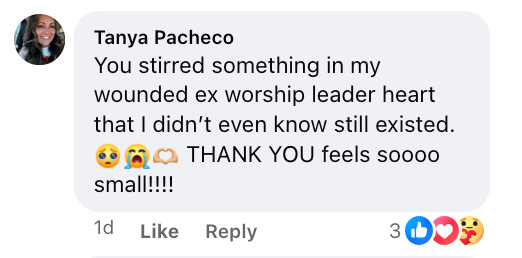



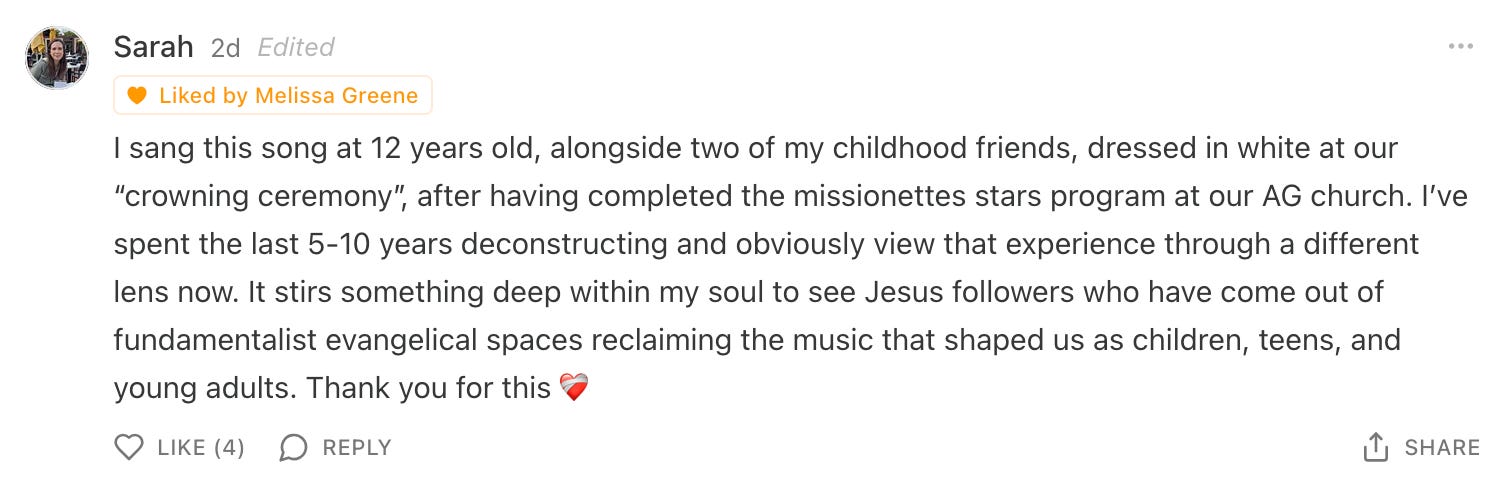
There’s something beautiful about seeing all these people come to the same conclusion as the person who brought this song to life: Love, in the Christian subculture they belonged to, came with fine print. The people who mass-produced songs about grace, mercy, and compassion were simultaneously propping up institutions that are cruel and treat empathy as a “toxic” sin to be avoided. The music was uplifting but the theology was heartless. Passons experienced it first-hand while many of his fans came to realize it later.
So to be able to enjoy this song again gives them access to the better elements of their previous life. They may have avoided the music because it reminded them of everything they’ve spent years escaping. They no longer have to. They’re reclaiming something that evangelicalism never deserved to own in the first place. A song that once existed in a culture of exclusion is now being sung as an indictment of it.
Passons’ journey is also a reminder of how that brand of Christianity works in the real world. Pastors will go on and on about “biblical love,” but if you stray from the expected path at all, as he did, you’ll be treated as disposable. They will always protect the doctrine over the people.
Judging by the reactions online, though, plenty of people wounded by the same kinds of churches have been waiting a long time to hear songs like this in a better context. “Testify to Love (Michael’s Version)” won’t be the last re-recorded Christian song we hear. There’s a huge market for it.
Humans had been loving one another in all manner of ways for thousands of years before the Christian churches showed up and announced that henceforth they would be making the rules and would decide what constitutes love. I’m sick to death of people whose belief systems are based entirely on magical thinking and special pleading demanding to be deferred to at all times.
Yeah, xtianity is antithetical to existence as a gay person.
Also
https://preview.redd.it/hank-hill-spreading-divine-truth-v0-ngh3nem4p6531.png?auto=webp&s=5856524fedec880b28fdfcd9e31b866689e4322f