
This newsletter is free and goes out to over 24,000 subscribers, but it’s only able to sustain itself due to the support I receive from a small percentage of regular readers. Would you please consider becoming one of those supporters? You can subscribe via Patreon or the Subscribe button below! You can also make one-time donations through Venmo or PayPal.
In 1981, lawyer Ishmael Jaffree found out that his children were subject to the Lord’s Prayer every day at school. Then they had to say prayers at lunch. There were additional Bible readings in class. This was happening in Mobile, Alabama even though the Supreme Court had ruled in the 1960s that mandatory Christian prayers in public schools were unconstitutional.
The state tried to get around the law by saying these Christian prayers were purely voluntary… and that teachers had permission to recite prayers with “willing students.” But even if non-participating students couldn’t be punished, the coercion was in full effect. Jaffree’s kids were repeatedly harassed and shunned by their classmates for not saying the Christian prayers.
The school district didn’t fix the problem when Jaffree brought this to their attention, so he filed a federal lawsuit in 1982—and that case eventually made it to the Supreme Court. In 1985, Jaffree was on the winning side in a 6-3 decision that effectively said it was fine to have a moment of silence, but it wasn’t legal to have these supposedly voluntary prayers nor was it okay for teachers to join in with “willing students.”
It was arguably the last time a Supreme Court ruling strengthened the wall of separation between church and state. It’s been downhill ever since.
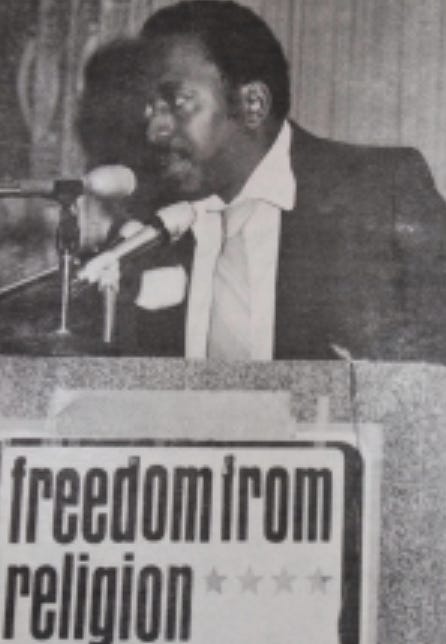
Despite all the backlash and threats his family received, Jaffree told an audience at the Freedom From Religion Foundation’s convention in 1985 that he would do it all over again because he was “absolutely committed to the idea of separation of church and state. There’s no question that my religious view is a minority, and unless people like me are willing to challenge these cases, then we don’t have a chance.”
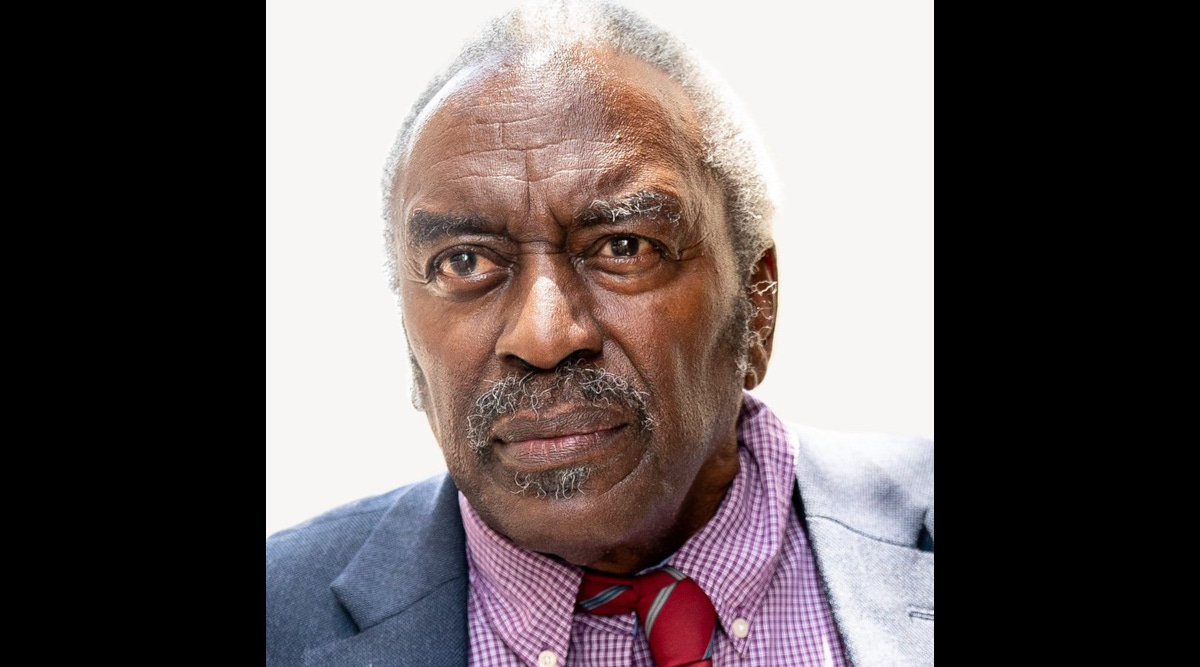
I mention all this because, unbeknownst to me, Jaffree died in July of 2024 at the age of 80.
It didn’t make a lot of news at the time (though Al.com published a brief obituary) and it turns out FFRF wasn’t aware of this, either. They only found out last week and quickly published an obituary expressing their appreciation for his fight.
But then something else interesting happened.
FFRF informed the New York Times about Jaffree, leading the newspaper to publish their own obituary (gift article) about him nearly two years after his death.

They even credit FFRF with giving them the nudge: “His death, which was not widely reported at the time, was brought to the attention of The New York Times last week by the Freedom From Religion Foundation.”
It’s a wonderful piece that gives readers even more insight into the life of this courageous man, including a passage about what caused Jaffree to flip from being extremely religious to becoming an agnostic:
[His mother] Ms. Hobbs was a strict Baptist, and when her son [then named Frederick Hobbs] was young she would send him out to preach on street corners. He wasn’t wholly obedient, though: He was expelled from high school for violating the dress code.
He spent a few years working odd jobs before enrolling at Cuyahoga Community College, then transferred to Cleveland State University.
Arriving on that campus in 1968, he encountered ideas like Afrocentrism and existentialism that challenged his conservative upbringing. He was especially influenced by an atheist professor whose last name was Jaffree; in his honor, he changed his name to Ishmael Jaffree.
When I asked FFRF how this pseudo-collaboration happened, they told me their newsletter editor Bill Dunn “discovered Ishmael had died without the kind of memorial and attention he deserves.” They shared their own obituary with an editor at the Times, leading to the additional coverage.
Also surprising? This wasn’t the first time something like this had happened.
FFRF said it was their heads up that led the Times to publish an obituary of another secular champion, Vashti McCollum, whose 1948 Supreme Court case helped end the practice of public schools setting aside class time for religious instruction. In that situation, however, it took a week for the obituary to get published, not years.
It’s a reminder that even major news outlets dedicated to covering these kinds of stories don’t always know what’s happening in our world unless we tell them.
How we could use Jaffree today. Christians continue to push for school prayer, violating Jesus' admonishment against praying in public.
Public schools are a sub-division of government, and Mixing religion and government is the same terrible idea it has always been. Never the less, America’s evangelicals keep insisting they know how to do theocracy right and should be allowed to do so. They should put down their Bibles and read some history. The Bible-belt South has some of the worst social metrics in this country, so it’s pretty hard to see what good their performative religiosity has done for them.