
This newsletter is free and goes out to over 25,000 subscribers, but it’s only able to sustain itself due to the support I receive from a small percentage of regular readers. Would you please consider becoming one of those supporters? You can subscribe via Patreon or the Subscribe button below! You can also make one-time donations through Venmo, CashApp, or PayPal.
On Saturday night, Lighthouse Apostolic Pentecostal Church, a tiny church in Lester, Alabama, posted a video of a miracle.
Or so they said.
See the man in the plaid green shirt jumping up and down? The church explained that he had been diagnosed with paraplegia. His family and pastor said a neurologist told him he “would NEVER walk again.” But something happened at this prayer service and LO AND BEHOLD, HE’S BACK TO NORMAL!
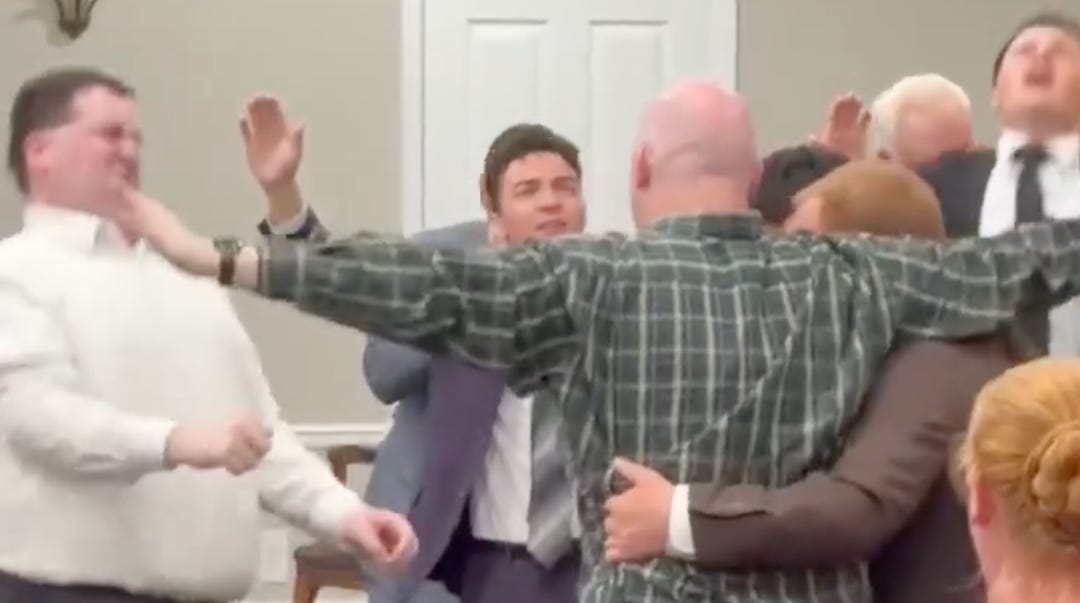
Everyone in that congregation sure seems to think something special happened given the way they’re pointing at him and embracing him.
It’s weird, though, that all this church posted was a 16-second clip of the unnamed man in action. Nothing showing his condition immediately beforehand. No documentation of the magical “moment.” Not even a mention of who he is.
That led to some obvious questions.
In the replies to that video, whoever runs the church’s social media account explained that this man was injured “6-7 months ago. Dismissed from rehab saying there was no hope, no follow up for treatment. Just go home and settle for the wheelchair.”
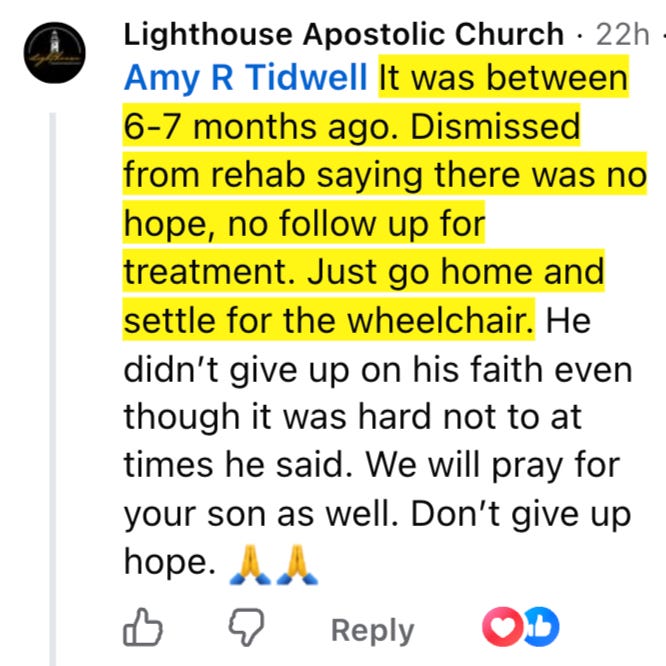
We didn’t yet know his diagnosis. The footage was dramatic, no doubt, but using a wheelchair doesn’t necessarily mean someone has permanently lost all ability to stand or move. And this clip told us nothing about the man’s condition or abilities immediately before the service. It didn’t establish that a sudden healing occurred, much less a miracle.
But instead of addressing those issues head-on, the church just posted comments aimed right at skeptics like me:
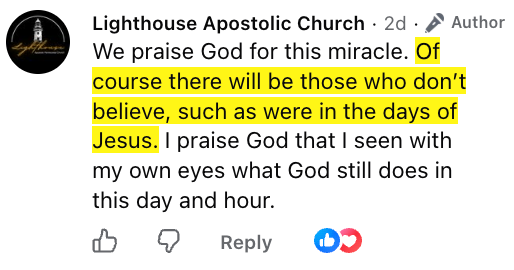
We praise God for this miracle. Of course there will be those who don’t believe, such as were in the days of Jesus…
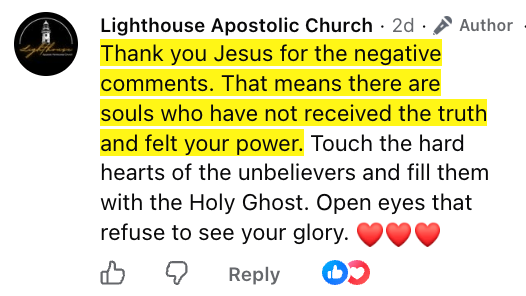
Thank you Jesus for the negative comments. That means there are souls who have not received the truth and felt your power…
The “negative” comments appeared to come from people simply asking for more evidence that a miracle had occurred because clips like this can be (and have often been) deceiving. We’re never told the details. We haven’t heard from any of his physicians, seen the relevant imaging, or received documentation supporting the claim that his spinal cord had been permanently destroyed.
Whenever I’ve seen churches post similar kinds of clips or heard pastors talking about a supposed miracle (or 50!), they almost never address them again. The more scrutiny there is from the outside, the worse their narratives hold up.
But in this case, the church offered the public a slow, steady drip of details.
On Sunday morning, for example, the church claimed that “Bro[ther] Austin” (no last name provided) was back to normal as if nothing had ever happened. His mother sent them a picture explaining how Austin “walked out of his room, dressed, standing, walking under his own power ready to go to church.”
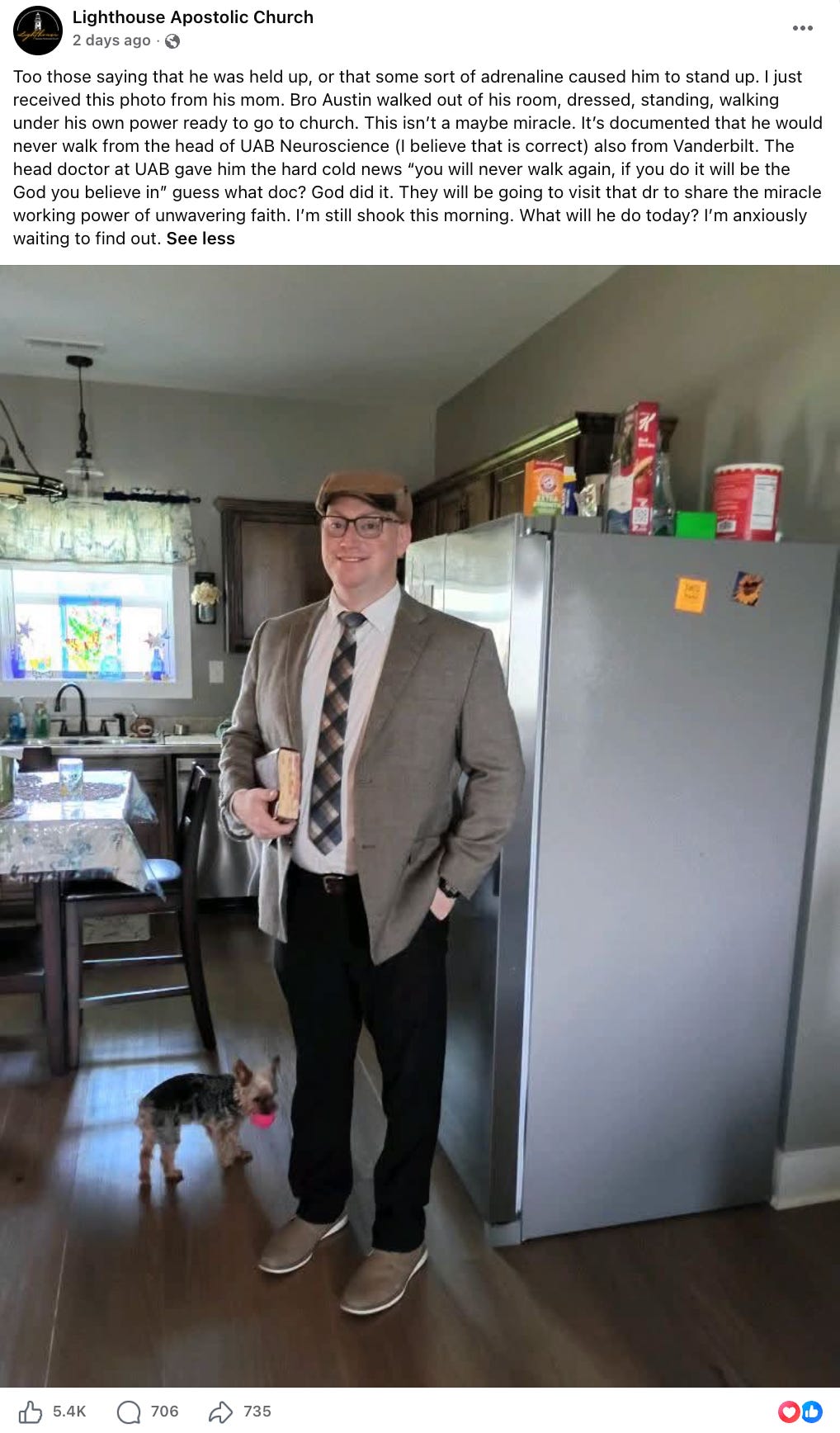
That post also said that the “head of [University of Alabama at Birmingham] Neuroscience” insisted to Austin, “You will never walk again.”
It got weirder in the comments section. The church’s pastor, Chris Teeples, posted Austin’s discharge papers from the hospital. But not all of them. Just a single cropped image.
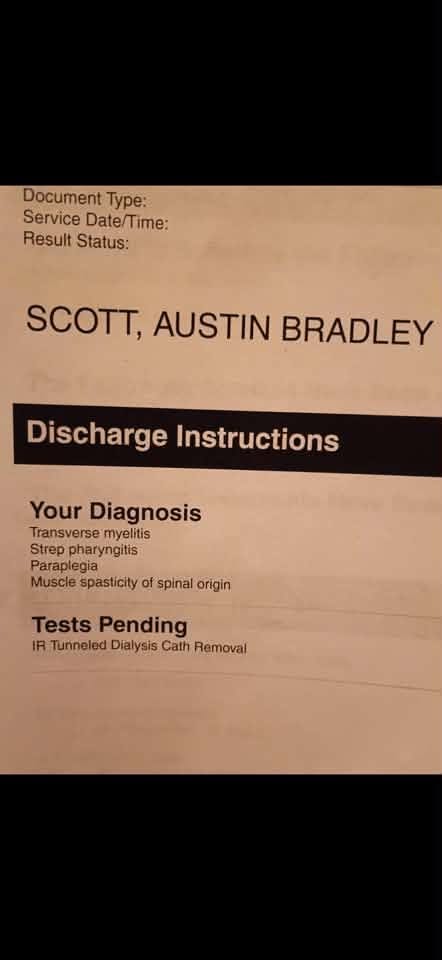
Assuming that’s accurate, it sure looked bad. (Paraplegia! “Spinal origin”! Other really big medical words!)
Here’s what went unsaid: While a diagnosis of paraplegia might sound definitive, it doesn’t necessarily mean someone’s spinal cord was severed or that recovery is impossible. “Paraplegia” describes the loss of function Austin was experiencing; it doesn’t, by itself, tell us if that loss is permanent. And the specific condition listed on that screenshot—transverse myelitis—can produce severe paralysis followed by partial or even substantial recovery.
In follow-up comments, however, Teeples didn’t acknowledge that possibility at all. He presented Austin’s prognosis as permanently hopeless without providing any medical records affirming that Austin’s spinal cord was irreversibly damaged.
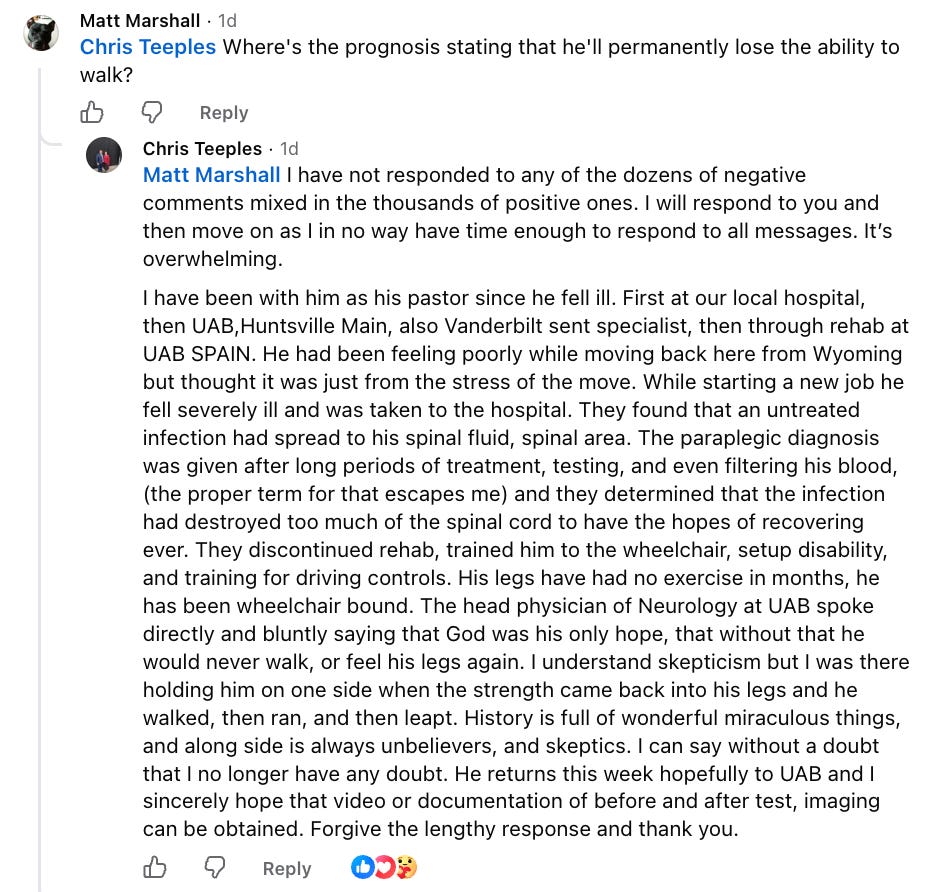
I have been with him as his pastor since he fell ill. First at our local hospital, then UAB,Huntsville Main, also Vanderbilt sent specialist, then through rehab at UAB SPAIN. He had been feeling poorly while moving back here from Wyoming but thought it was just from the stress of the move. While starting a new job he fell severely ill and was taken to the hospital. They found that an untreated infection had spread to his spinal fluid, spinal area. The paraplegic diagnosis was given after long periods of treatment, testing, and even filtering his blood, (the proper term for that escapes me) and they determined that the infection had destroyed too much of the spinal cord to have the hopes of recovering ever. They discontinued rehab, trained him to the wheelchair, setup disability, and training for driving controls. His legs have had no exercise in months, he has been wheelchair bound. The head physician of Neurology at UAB spoke directly and bluntly saying that God was his only hope, that without that he would never walk, or feel his legs again. I understand skepticism but I was there holding him on one side when the strength came back into his legs and he walked, then ran, and then leapt. History is full of wonderful miraculous things, and along side is always unbelievers, and skeptics. I can say without a doubt that I no longer have any doubt. He returns this week hopefully to UAB and I sincerely hope that video or documentation of before and after test, imaging can be obtained. Forgive the lengthy response and thank you.
It’s interesting that he mentions Austin’s blood was filtered because he could be describing plasma exchange, a treatment sometimes used for transverse myelitis when intravenous steroids aren’t enough. In other words, one of the details the pastor used to support his claim of a miracle may actually point to the intensive medical treatment Austin received that could have contributed to his recovery.
Needless to say, Austin’s ability to jump around in church doesn’t prove that God repaired a permanently destroyed spinal cord. It suggests that the pastor’s description of his condition—or of the prognosis doctors gave him—was incomplete, mistaken, or exaggerated.
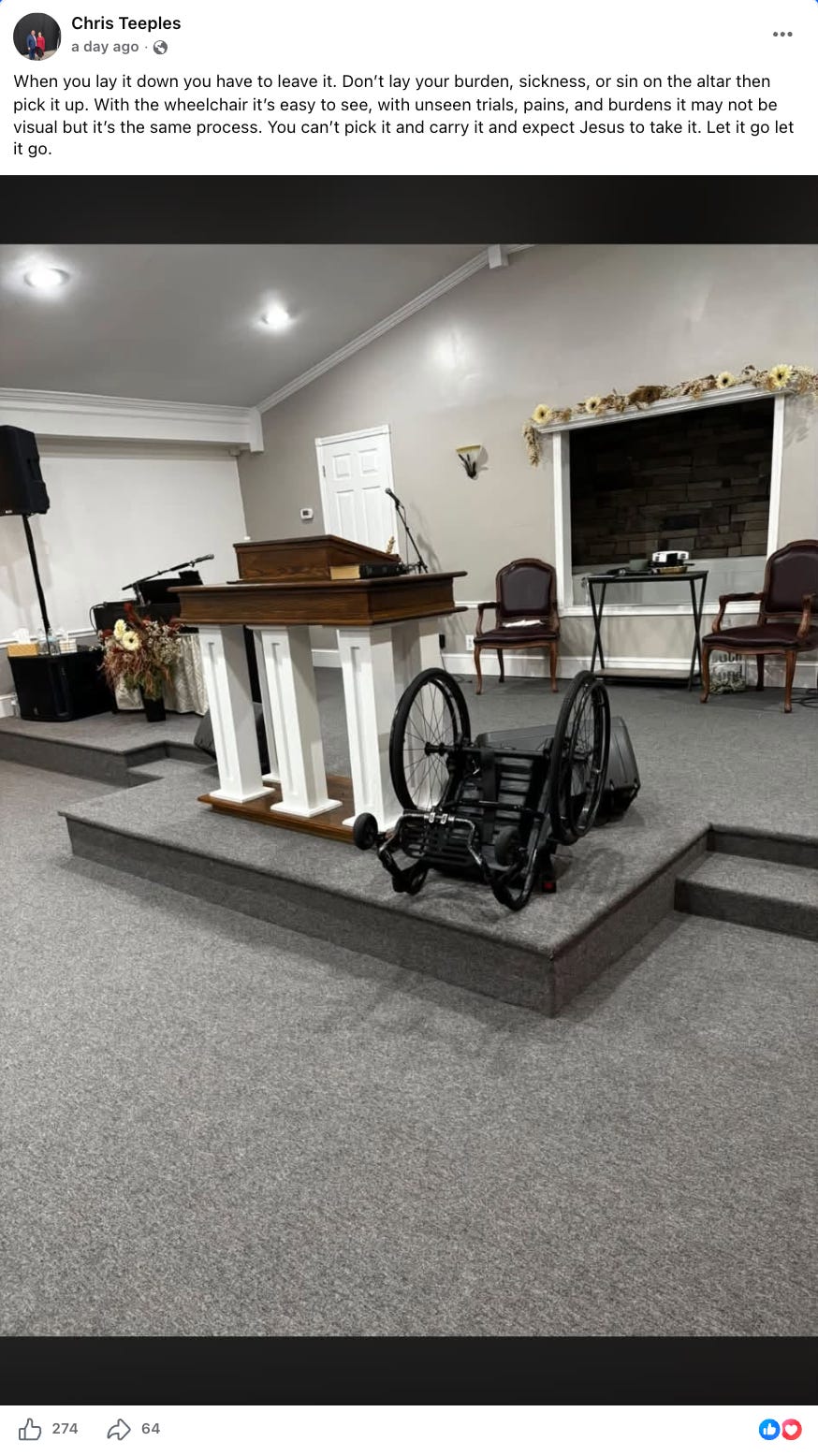
Still, Teeples proudly shared a photo of the wheelchair flipped over on the church floor, apparently symbolizing the church’s confidence that he would never need it again.
We soon learned where all this information was coming from.
In response to people wanting more information, Austin’s mother shared photos of him in the hospital and in the wheelchair as he went through “some dark and trying times” before this past weekend.
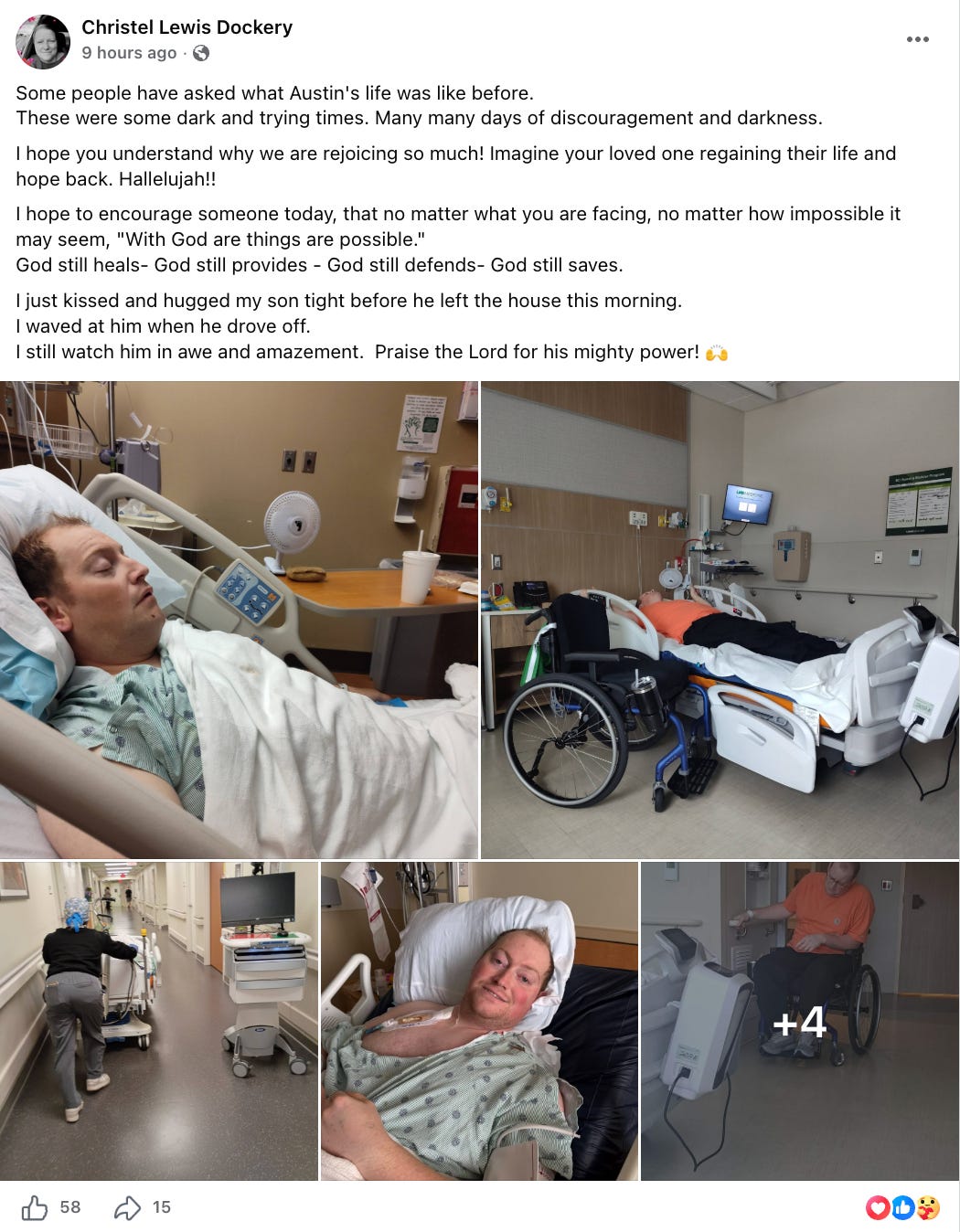
She told a longer story in a separate post, explaining how Austin became sick in April and quickly “lost feeling and function from his waist down.” As he went through rehab, an unnamed neurologist apparently asked him if he believed in God. He said yes. She responded, “If you walk again, call me. It will go down as a medical miracle. It will take God for you to walk again.”
And then, wouldn’t you know it: On Saturday night, Austin was able to walk out of that church without the wheelchair he entered in:
The church wasted no time promoting this miracle. Hell, Austin is already on the schedule to preach in a few weeks:
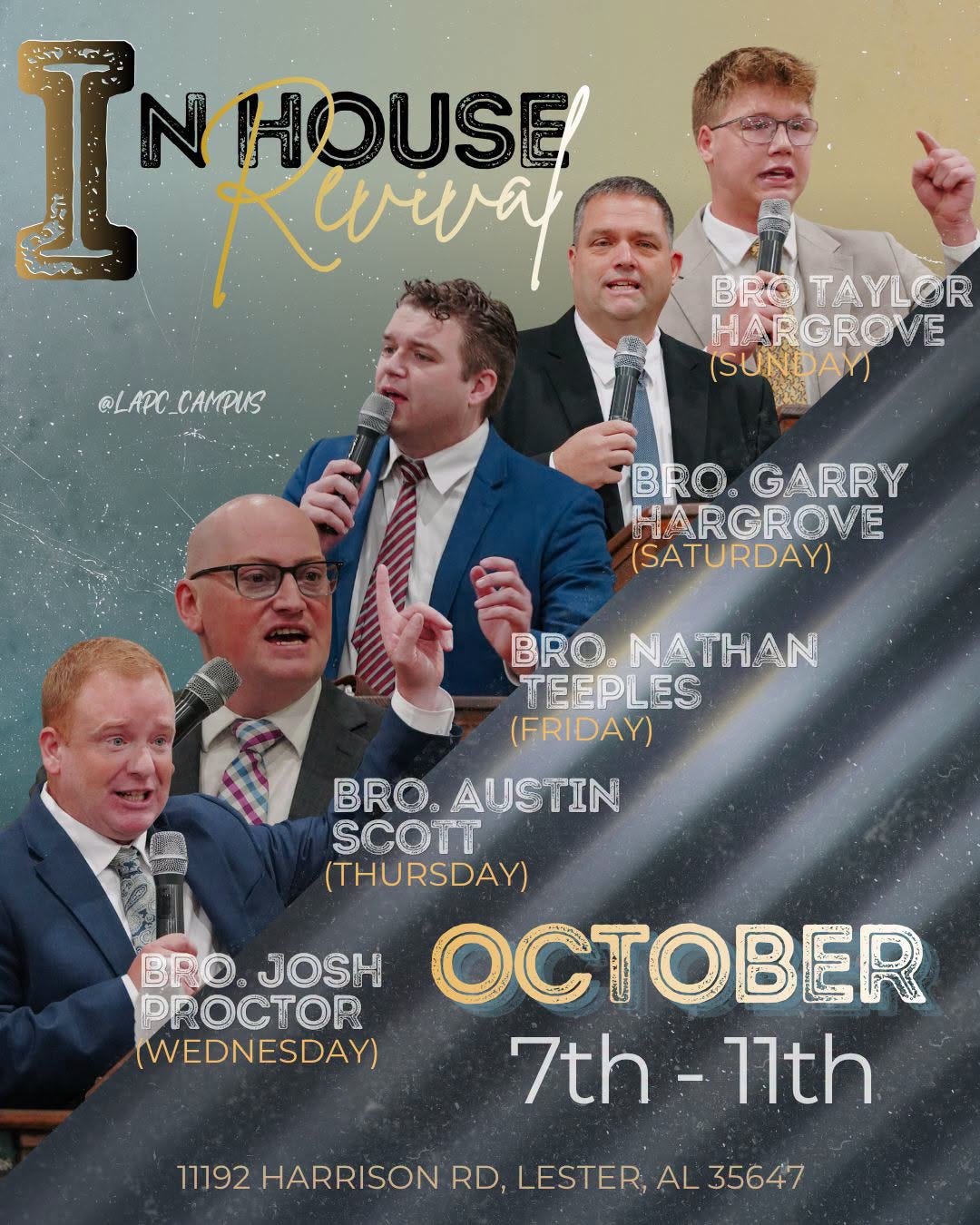
So what’s real and what’s bullshit?
The church insists only a God-given miracle could have restored Austin’s ability to walk, citing secondhand accounts of what an unnamed neurologist allegedly said as proof, but they’re not sharing the details experts might need to confirm any of this. (Earlier this week, I asked the church to put me in touch with Austin as well as his doctors. Maybe he could give them permission to speak with me about his condition. The church did not respond.)
But I did speak to two doctors about the situation, including a neurologist.
I would be doing neuroscience a disservice if I tried to make sense of everything that doctor told me, but in short, she reiterated that there could definitely be a natural explanation for all of this. Austin may never have been permanently disabled.
One plausible explanation, she said, is that Austin was already recovering from the inflammation and responding to treatment, even though the extent of that recovery had initially been uncertain. Without his records, she couldn’t tell me precisely what occurred.
So does the video clip prove that Austin is permanently and completely recovered? No. We can’t tell what functions he’s regained, what limitations remain, or what additional rehab he may need.
She also added that the neurologist who told him he’d never walk again may not have used those exact words, even if that’s how he interpreted it. In her experience, patients and families often recall discussions of the worst-case scenario as a definitive prediction. Without hearing from the physician or seeing the records, we can’t know what was actually said.
To be clear, this neurologist was only working off of what the church and Austin’s mom released. Without more information, it’s hard to give a more accurate assessment. The point is that his “miracle” has a medically plausible explanation—even if it’s difficult for laypeople to understand—and it doesn’t require divine intervention.
Another doctor I spoke with put it in even simpler terms: What Austin suffered wasn’t the same kind of spinal injury that someone in a major car accident might have. His transverse myelitis diagnosis “can certainly lead to paralysis, but it’s different than paralysis from, say, a traumatic accident” in which permanent structural damage prevents signals from traveling through the affected area.
The damage, he explained, could result from inflammation in the spinal cord associated with the body’s immune response. As that inflammation subsides—along with treatment and rehab—some degree of function may return, though the outcome varies widely.
He added that while transverse myelitis could leave people paralyzed for life, “most people who get it from infection in this manner experience some degree of functional recovery.”
In other words, hope for the best but prepare for the worst. Austin seems to be on the “good news” end of that spectrum.
What’s tragic is that the comment threads for the church were full of struggling people hoping to receive some of the healing they thought they saw in the video:



You can’t blame them for thinking miracles could happen to them. On Wednesday night, Pastor Chris Teeples explicitly blamed amputees for failing to act on their faith:
You know the reason that we don’t see many amputees healed? Because they don’t step out of the wheelchair and look for air under their leg. I believe that God could heal an amputee… I believe God can do anything that our minds can conceive!
That’s the danger in what the church is doing. They’re not looking for a natural explanation because they’ve already concluded that God healed their guy. They’re spreading an unsupported theory without any caveats. And they’re convincing other people—whose loved ones will sadly not get any better—that there’s a chance for a similar miracle if they just ask God a little harder. Even if it’s unintentional, they’re giving people false hope.
In the case of Austin, no miracle is needed to explain what happened to him using the evidence we have. He developed transverse myelitis, received extensive medical treatment, and experienced the sort of recovery doctors know can occur—even if no one could predict whether it would happen to him.
Austin’s improvement is wonderful news. But turning it into proof of God, while telling everyone who remains disabled that they simply don’t have enough faith, isn’t inspiring. It leads to false hope followed by intense guilt when nothing changes—and it’s cruel.
Christians lie so much that it's virtually impossible to believe anything they say.
We aren't responsible for that being so. They did it to themseslves.
𝑆ℎ𝑒 𝑎𝑙𝑠𝑜 𝑎𝑑𝑑𝑒𝑑 𝑡ℎ𝑎𝑡 𝑡ℎ𝑒 𝑛𝑒𝑢𝑟𝑜𝑙𝑜𝑔𝑖𝑠𝑡 𝑤ℎ𝑜 𝑡𝑜𝑙𝑑 ℎ𝑖𝑚 ℎ𝑒’𝑑 𝑛𝑒𝑣𝑒𝑟 𝑤𝑎𝑙𝑘 𝑎𝑔𝑎𝑖𝑛 𝑚𝑎𝑦 𝑛𝑜𝑡 ℎ𝑎𝑣𝑒 𝑢𝑠𝑒𝑑 𝑡ℎ𝑜𝑠𝑒 𝑒𝑥𝑎𝑐𝑡 𝑤𝑜𝑟𝑑𝑠, 𝑒𝑣𝑒𝑛 𝑖𝑓 𝑡ℎ𝑎𝑡’𝑠 ℎ𝑜𝑤 ℎ𝑒 𝑖𝑛𝑡𝑒𝑟𝑝𝑟𝑒𝑡𝑒𝑑 𝑖𝑡.
"It’s likely he may not recover full function" somehow becomes "he is doomed to never walk again". They will cherry pick 𝗲𝘃𝗲𝗿𝘆𝘁𝗵𝗶𝗻𝗴.